
More than just sunshine and sea views, it’s about moments like this.
There is a specific moment during the San Juan Festival when the music fades, the bonfires glow, and you realise you aren’t just visiting Spain anymore, you’re living it.
Known as the night summer officially arrives, San Juan is a beautiful blend of ancient fire rituals, beachside camaraderie, and midnight dips in the sea.
Dive into our latest guide to discover the magic of this unforgettable tradition and where to celebrate across the Costa del Sol tonight.
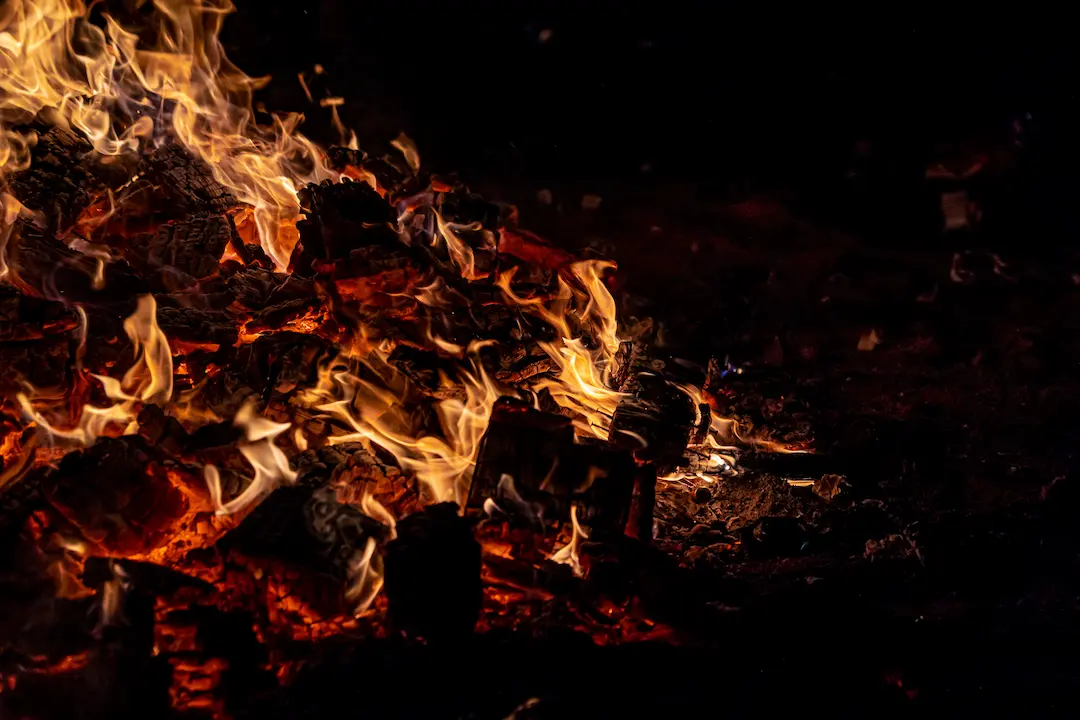
Every year on the evening of 23 June, beaches, town squares and coastal communities across Spain come alive with bonfires, fireworks, music and celebration.
Known as Noche de San Juan, or the Night of Saint John, it is widely regarded as one of the most magical nights of the year. For many Spaniards, it marks the true beginning of summer. For visitors and international residents, it is often one of the first authentic Spanish traditions they experience.
From the beaches of Alicante to the coastline of Málaga Province, millions of people gather to celebrate with friends and family, watch fireworks, jump over bonfires and take a midnight dip in the sea.
If you have recently moved to Spain, are considering relocating, or simply want to experience one of the country’s most iconic traditions, San Juan is an event not to miss.
The San Juan Festival combines ancient pagan traditions with Christian celebrations honouring Saint John the Baptist.
Long before Christianity arrived, communities across Europe celebrated the summer solstice with fire rituals. Fire was believed to provide protection, ward off evil spirits and bring good fortune for the months ahead.
When Christianity spread throughout Spain, many of these customs became linked to Saint John the Baptist, whose feast day falls on 24 June.
Today, San Juan remains a unique blend of history, religion, folklore and community celebration.
While the traditions vary slightly between regions, the themes remain the same: renewal, purification, good luck and the arrival of summer.
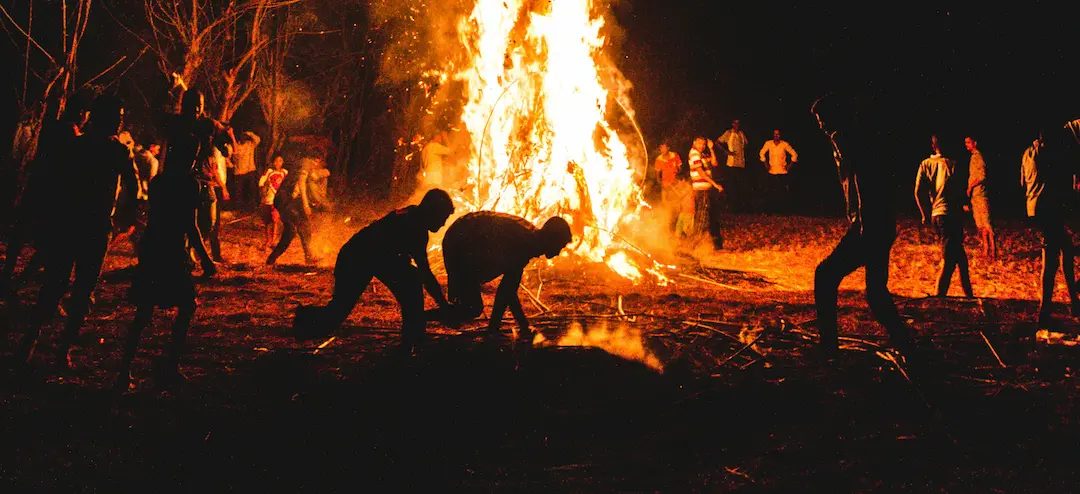
One of the most recognisable San Juan traditions is jumping over a bonfire.
Depending on the region, people may jump over the flames three, seven or even nine times.
The practice is rooted in ancient beliefs that fire has cleansing powers. By jumping over the flames, people symbolically leave behind bad luck, worries and negativity from the previous year.
While organised events have strict safety measures in place, the symbolism remains an important part of the celebration and continues to be passed down through generations.
Another tradition associated with San Juan is entering the sea at midnight.
Across Spain’s coastal communities, thousands of people head into the water as the clock strikes twelve.
According to local folklore, washing in the sea on San Juan night can bring good fortune, health and prosperity for the coming year.
Many people also use the moment to make wishes or reflect on personal goals and aspirations.
Whether you believe the legends or not, there is something special about standing on a Mediterranean beach under a sky filled with fireworks as summer officially begins.
While the Costa del Sol hosts some of Spain’s most enjoyable celebrations, every region adds its own flavour to San Juan.
Perhaps Spain’s most famous San Juan celebration takes place in Alicante.
Enormous artistic monuments are built throughout the city before being dramatically burned during La Cremà. The festival attracts visitors from across Spain and internationally, creating an atmosphere similar to Valencia’s famous Fallas festival.
In Catalonia, San Joan is celebrated with beach parties, fireworks and the traditional Coca de Sant Joan cake.
The city’s beaches become gathering places for thousands of people who celebrate late into the night.
In northern Spain, Galicia’s Celtic heritage strongly influences San Juan traditions. Bonfires, rituals and local folklore play a central role in the celebrations, particularly around coastal towns and villages.
On the Costa del Sol, San Juan takes on a distinctly Mediterranean character. Beaches become the centre of the festivities, with families, friends and communities gathering by the sea to celebrate together.
Málaga hosts one of the largest San Juan celebrations in the province.
The main festivities traditionally take place around Playa de la Misericordia and the Paseo Marítimo Antonio Banderas, where thousands gather for live entertainment, fireworks and the symbolic burning of the júa.
Expect a lively atmosphere, packed beaches and celebrations that continue well into the early hours.
Mijas offers a more community-focused San Juan experience.
In Mijas Pueblo, residents and visitors can enjoy music, performances and the traditional burning of the júas. Meanwhile, La Cala de Mijas combines live music with a relaxed beachfront atmosphere that perfectly captures the spirit of the Costa del Sol.
It is one of the most enjoyable locations for families and residents who want to experience the festival without travelling into one of the larger cities.
Fuengirola’s celebrations form part of the Verbena de San Juan festivities.
Expect music, family entertainment, dance performances and a midnight fireworks display along the beachfront.
The event is particularly popular with families and long-term residents.
Benalmádena combines traditional San Juan celebrations with its wider Feria de San Juan festivities.
The burning of the júas, live entertainment and a spectacular fireworks display near Castillo Bil Bil create one of the area’s most impressive celebrations.
Marbella’s beaches provide a fantastic backdrop for San Juan.
San Pedro Alcántara hosts organised celebrations along Playa de La Salida, featuring music, entertainment and the traditional midnight bonfire.
The combination of beachfront celebrations and Marbella’s vibrant social scene makes this one of the most popular destinations on the Costa del Sol for San Juan.
Estepona maintains a strong connection to traditional San Juan customs.
The annual Quema de los Bigotes de San Juan competition sees local groups create imaginative juás that are judged before being ceremonially burned at midnight.
Combined with live music and a beautiful beachfront setting, Estepona offers one of the most authentic celebrations on the coast.
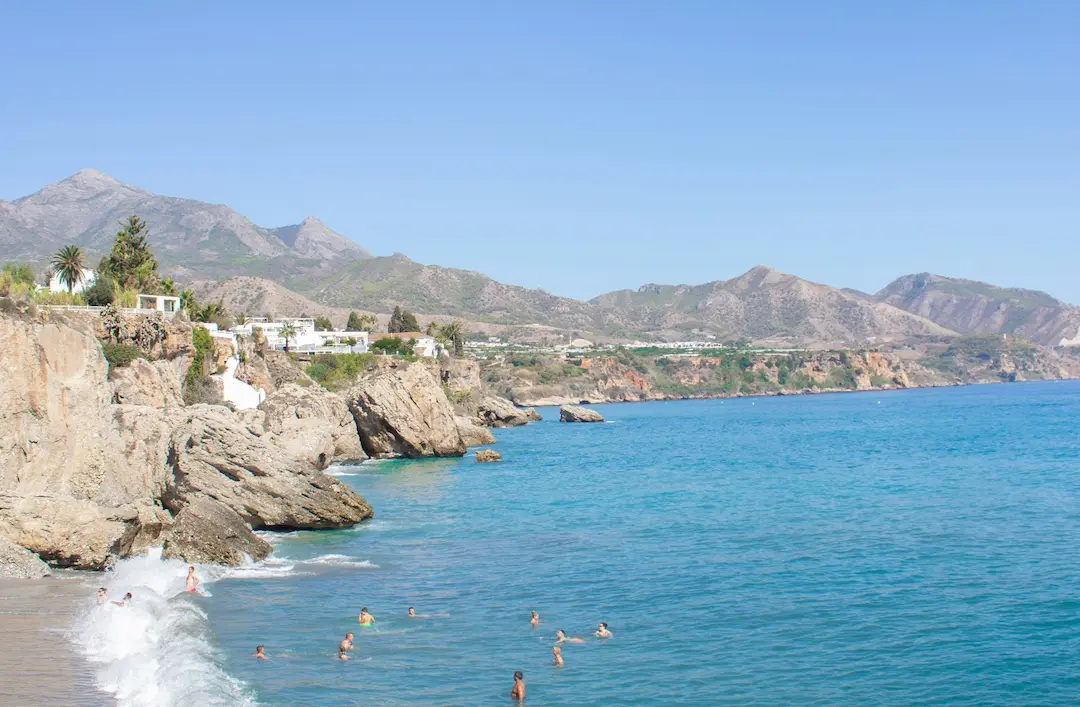
For many people, Nerja provides the most picturesque setting for San Juan.
Burriana Beach hosts live music, fireworks and the traditional midnight burning of the júa, all framed by one of the Costa del Sol’s most scenic coastlines.
If you are attending San Juan for the first time, a little preparation can make the evening more enjoyable.
Arrive early, particularly if you plan to attend celebrations in Málaga, Marbella or Fuengirola, as parking becomes limited quickly.
Bring water, a light jacket for later in the evening and comfortable footwear. Many people remain on the beach until well after midnight.
Most importantly, embrace the atmosphere. San Juan is one of those events where locals and newcomers celebrate side by side, creating a welcoming and uniquely Spanish experience.
One of the reasons so many international residents fall in love with life on the Costa del Sol is the sense of community that exists throughout the year.
San Juan perfectly captures this.
Families gather on the beach. Friends share food and drinks under the stars. Children play in the sand while grandparents watch fireworks from the promenade.
It is a reminder that life here is not only about sunshine and sea views. It is about outdoor living, community connections and traditions that bring people together.
For many people who move to Spain, San Juan becomes one of those annual events that genuinely makes them feel part of local life.
When is the San Juan Festival celebrated in Spain?
San Juan is celebrated on the night of 23 June, leading into the feast day of Saint John the Baptist on 24 June.
Is San Juan a public holiday?
It depends on the region. Some areas observe local holidays while others do not.
Why do people jump over bonfires?
The tradition symbolises purification, protection and good luck for the year ahead.
Why do people swim in the sea at midnight?
Local folklore suggests that entering the sea at midnight brings health, prosperity and good fortune.
Can you have a bonfire on any beach?
No. Rules vary by municipality and many councils only permit bonfires in designated areas.
Where is the biggest San Juan celebration in Spain?
Alicante is widely considered to host the largest and most famous San Juan celebrations in Spain.
Where is the best San Juan celebration on the Costa del Sol?
That depends on the experience you are looking for. Málaga offers the largest crowds, Marbella combines beach life with nightlife, Estepona has strong traditional roots, while La Cala de Mijas provides a more relaxed community atmosphere.
Events such as San Juan offer a glimpse into what makes life on the Costa del Sol so appealing.
Whether you are drawn to the family-friendly atmosphere of Mijas Costa, the energy of Marbella, the charm of Estepona or the convenience of Fuengirola, understanding the lifestyle is just as important as finding the right property.
At PCC Property, we help international buyers explore the Costa del Sol with a focus on lifestyle, location and long-term suitability, helping you find not just a property, but a place that feels like home.
Check out our detailed area guides along the Costa del Sol and Algarve.
Keep up to date with property news along the Costa del Sol with our blogs.
At PCC Property we don’t just list properties, we unlock lifestyle dreams, Discover how our sales-only, lifestyle-first approach is different.
Who we are
Discover more on our commitment to transparency, trustworthy advice and delivering exceptional client service.