
For many UK and US buyers, the start of the year brings a welcome influx of capital.
Whether you are looking to deploy recent bonuses or restructure your wealth into a tangible lifestyle asset, the Costa del Sol remains a premier destination.
However, stepping into a foreign property market often brings a lingering question: Are we paying the right price?
The Costa del Sol property market is active, stable, and disciplined.
To help our clients buy and sell with confidence, we created the PCC Property Negotiation Index, a data-driven look at how property prices are really negotiated across Mijas, La Cala, Elviria, and Benahavís.

When browsing for a villa or apartment overseas, it is easy to take the numbers you see on screen as absolute truth.
Property portals show asking prices. But asking prices rarely reflect the true market outcome.
Relying purely on marketing prices can lead buyers to overpay, while causing sellers to stagnate on the market with unrealistic expectations.
To observe how the market is actually behaving, the PCC Negotiation Index tracks the difference between the final advertised asking price of a property and the final agreed sale price.
The data is clear: properties typically sell around 5% to 8% below their final advertised price. It is rarely a market of extreme distress, as negotiations rarely exceed 10% to 12%.
In today's Costa del Sol market, the difference between a stalled property and a successful completion isn't dramatic price slashing—it is accurate pricing from day one.
Buyers are highly informed, and overpricing simply costs sellers their strongest negotiation window.Joanne Wilson - Head of PCC Property
The Costa del Sol is not one single market. Negotiation behaviour varies subtly depending on the specific location you choose.
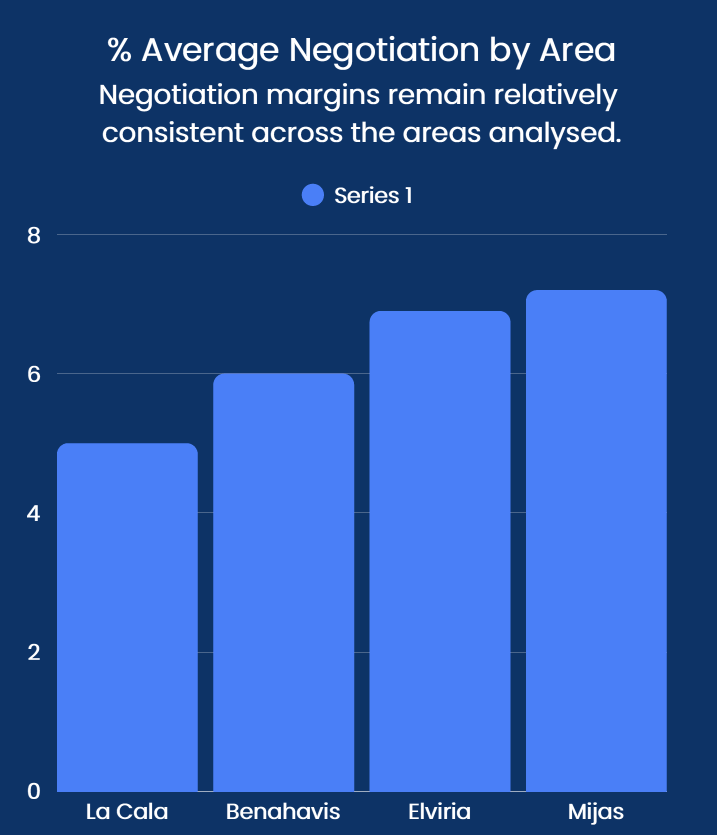
Below is a breakdown of the median negotiation margins across four highly sought-after areas.
| Location | Median Negotiation Margin | Market Indicator |
| La Cala | ~5% | Tightest margins; strong demand |
| Benahavís | ~6% | Resilient premium pricing |
| Elviria | ~6.9% | Consistent single-cycle correction |
| Mijas | ~7.2% | Broader mix of property types |
As the table illustrates, buyers looking in La Cala de Mijas will find the tightest negotiation margins, suggesting sellers here can maintain firmer pricing positions due to strong demand relative to supply.
Conversely, the broader market of Mijas displays slightly higher negotiation margins, offering buyers a fraction more leverage.
One of the most important insights from our data is the distinct difference between a standard buyer negotiation and a full price correction.
Many properties follow a predictable pricing journey: they launch at an optimistic price, experience limited buyer interest, and are forced into a price reduction before serious buyer engagement and final negotiations can begin.
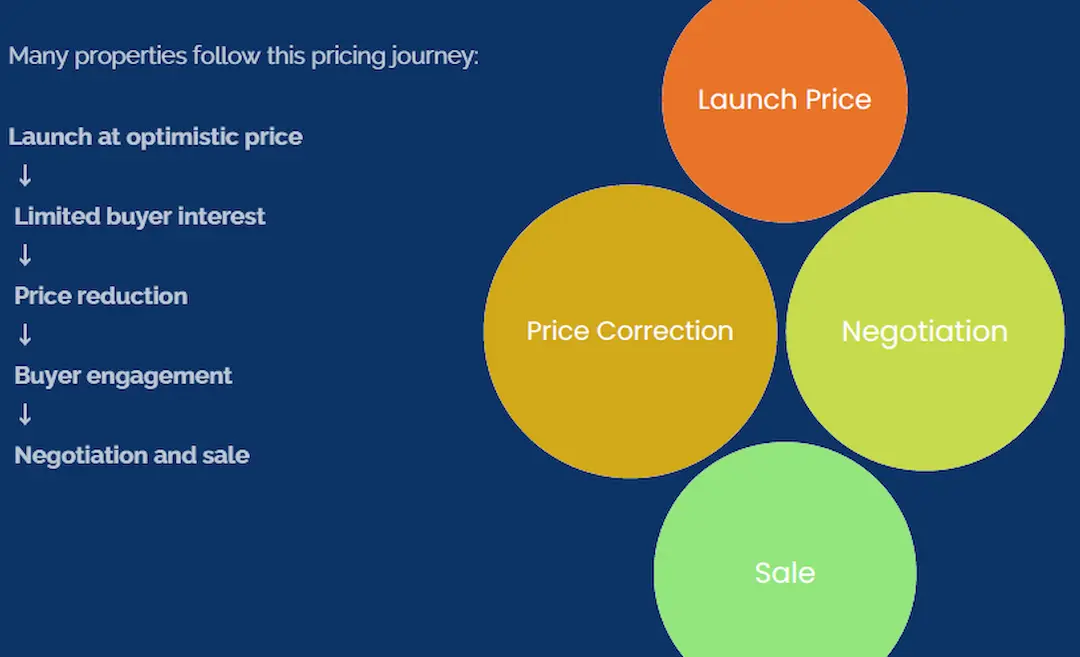
To see this in action, consider a recent British buyer we advised on a luxury property in Elviria. The property initially launched on the market with an optimistic asking price of €850,000. After months of limited interest, the seller corrected the price down to €799,000 to stimulate the market.
Because our buyer was well-versed in local data and Buying a Property in Spain Taxes, they knew the median negotiation in Elviria sits at 6.9%. They submitted a strategic offer and agreed on a final sale price of €760,000.
While the negotiation from the final asking price was a standard 4.9%, the total correction from the seller’s initial launch price was a significant 10.6%. Much of the market’s price movement occurs through correcting initial overpricing rather than aggressive buyer negotiation.
For those looking to list their property, this data highlights a consistent pattern that can make or break your sale.
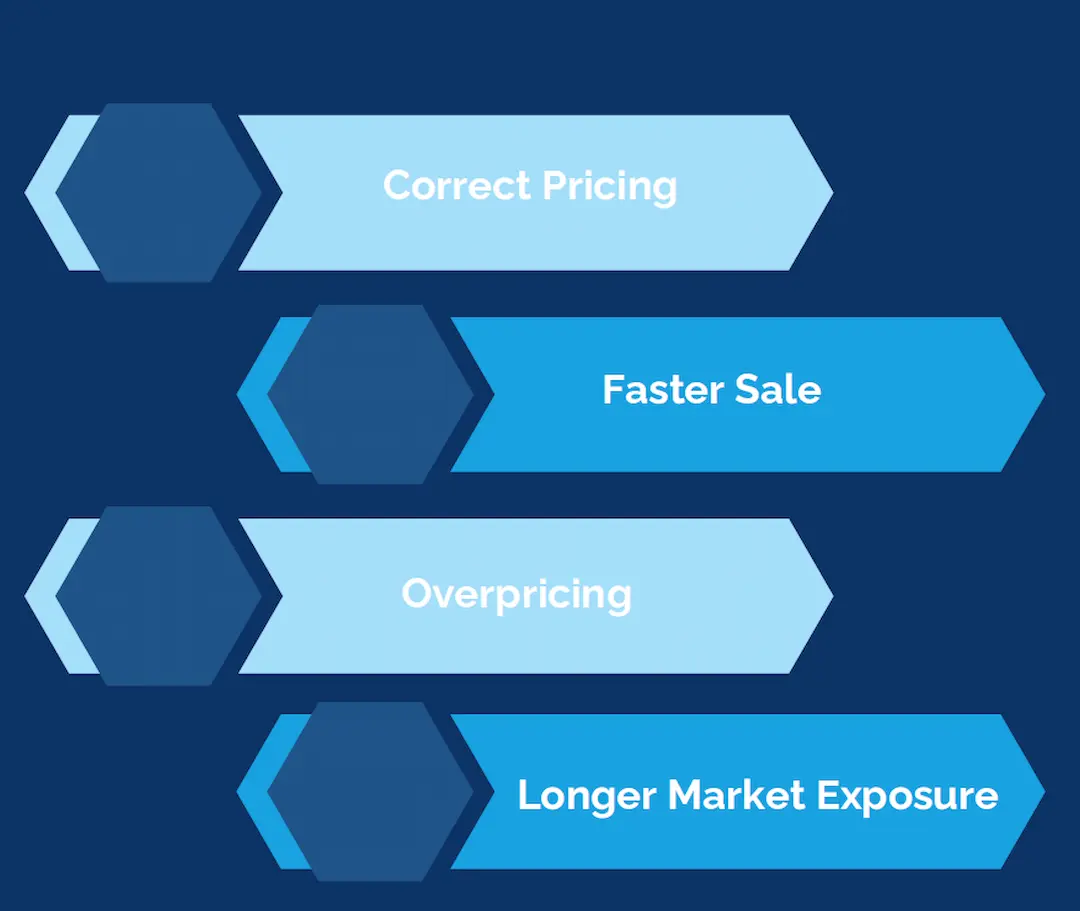
Sellers who price correctly from the outset often benefit from stronger early buyer interest, a shorter time on the market, and ultimately, more competitive negotiations.
In contrast, properties launched significantly above market expectations often require a price correction cycle before attracting serious buyers.
This overpricing strategy typically results in longer market exposure and larger total price adjustments.
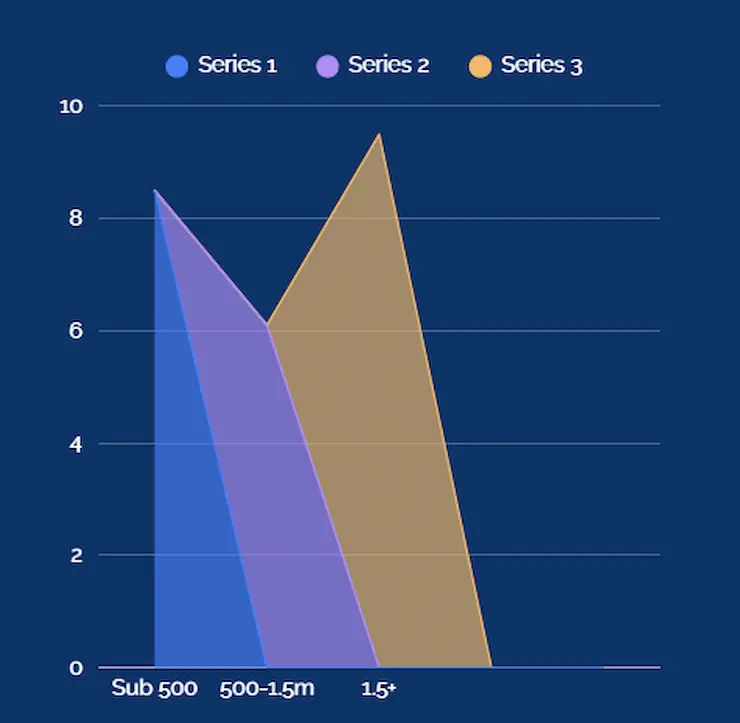
Your negotiating power also shifts significantly depending on your price bracket.
The sub-€500,000 segment (often first-time or domestic buyers) is the most price-sensitive, with typical negotiations ranging from 7% to 10%. View the properties in this price bracket here.
Moving up to the €500,000 – €1.5m bracket—the core international market for relocating expats and Northern European buyers—pricing behaviour is the most stable, typically settling within a 5% to 7% negotiation range. You can see all the properties we have in this range here.
Once you enter the €1.5m+ bracket, typical of luxury second-home cash buyers and international wealth, negotiation behaviour becomes much less predictable.
Typical outcomes range from minimal negotiation to larger price corrections, heavily depending on how accurately the luxury property was initially positioned.
Are property prices dropping in the Costa del Sol in 2026?
The evidence does not support the narrative of a widespread price collapse.
The figures indicate a stable, functioning property market that rewards accurate pricing and strategic positioning, rather than a distressed market with dramatic price drops.
Does my nationality (UK/US) affect my negotiating power?
No, your nationality does not dictate your negotiating power; your market knowledge and financial readiness do.
While post-Brexit rules require careful planning (see our guide on Buying a House in Spain After Brexit), an informed international buyer holds just as much leverage as a domestic one.
Should I offer 15% below the asking price?
Unless the property is vastly overpriced to begin with, aggressive lowball offers are generally rejected.
The typical negotiation range rarely exceeds 10% to 12%. Success depends on entering the market with a clear pricing strategy based on area averages.
The Costa del Sol property market remains active, stable, and disciplined.
As the data shows, most transactions are agreed within predictable negotiation margins of 5% to 8% below the final asking price. Success in this environment does not come from waiting for a market crash or making aggressive lowball offers; it comes from having a clear, data-driven strategy.
Whether you are a buyer looking to secure a luxury home without overpaying, or a seller aiming to avoid the dreaded “price correction cycle”, understanding these margins is your greatest asset.
Stop guessing and start negotiating with data.
Check out our detailed area guides along the Costa del Sol and Algarve.
Keep up to date with property news along the Costa del Sol with our blogs.
At PCC Property we don’t just list properties, we unlock lifestyle dreams, Discover how our sales-only, lifestyle-first approach is different.
Who we are
Discover more on our commitment to transparency, trustworthy advice and delivering exceptional client service.